Software & Web Development

Data Science & Robotics Development

Calc LLC provide high quality services at very competitive rate

U.S. Late-February Ag Weather Planner: 7-Day Regional Outlook, Risks, and Fieldwork Guidance

U.S. Late-February Ag Weather Planner: 7-Day Regional Outlook, Risks, and Fieldwork Guidance

Late-February U.S. farm outlook: expect frontal passages bringing brief precipitation and wind, then cooler, drier breaks. Risks include intermittent frost, variable moisture from West storms to Plains/Midwest mix, and trafficability issues. Use short spray/topdress windows, protect blooms and livestock, time nitrogen with light rains, and monitor local forecasts.

Weather

From Sunlight to Shelf Life: PCM Thermal Storage Reinvents Farm Cold Rooms

Farm cold rooms using phase-change materials act as thermal batteries, enabling efficient pre-cooling and storage where power is scarce. By banking cold during sunny or low-tariff hours, they cut spoilage, fuel use, and compressor wear. The piece outlines design, operations, economics, best-fit cases, purchasing criteria, policy supports, and next steps.

Tech

Quiet Levers, Big Moves: The Week Ahead in U.S. Agriculture Policy

U.S. agriculture policy is shifting through Congress, USDA rules, EPA decisions, trade moves, court orders, and statehouse bills. Near-term signals—appropriations riders, hearings, pesticide and fuel guidance, export actions, and litigation—could alter inputs, risk, labor, and market access. Producers should monitor dockets and deadlines as regulatory steps sway costs and prices.

Politics
From Sutter's Mill to a Farm Empire: How the Gold Rush Remade California Agriculture

From Sutter's Mill to a Farm Empire: How the Gold Rush Remade California Agriculture

James Marshall’s 1848 discovery at Sutter’s Mill sparked the Gold Rush, upending ranchos and farms but ultimately propelling California into an agricultural powerhouse. Mechanization, railroads, refrigeration, irrigation, and research linked diverse crops to global markets, while hydraulic mining’s damages, land dispossession, and migrant labor reshaped law, water systems, and society.

U.S. Farm Weather Briefing: 24-Hour Recap and 7-Day Outlook for Producers

U.S. Farm Weather Briefing: 24-Hour Recap and 7-Day Outlook for Producers

Typical winter across U.S. farm country: light precipitation north/Northeast, fog/frost mornings, slick spots; Northwest periodic showers/snow, Southwest/California mostly dry with valley fog and frost; Plains largely dry but cold snaps; next week brings a couple fast northern systems, breezy spells, Gulf-coast showers, recurring frost risks and livestock wind chills.

Turning Tile Drains into Fertilizer: Edge-of-Field Nitrate Recovery

Turning Tile Drains into Fertilizer: Edge-of-Field Nitrate Recovery

Edge-of-field systems capture nitrate from tile drainage, concentrate it into liquid fertilizer, and return it to crops, reducing downstream pollution and boosting nitrogen-use efficiency. Using ion exchange or electrodialysis, they integrate with sensors and farm equipment, qualify for incentives, complement wetlands/bioreactors, and face challenges like fouling, power, storage, and economics.

Data-Dense Week Ahead: Markets Reprice Fed Path on GDP, PCE, and Earnings

Data-Dense Week Ahead: Markets Reprice Fed Path on GDP, PCE, and Earnings

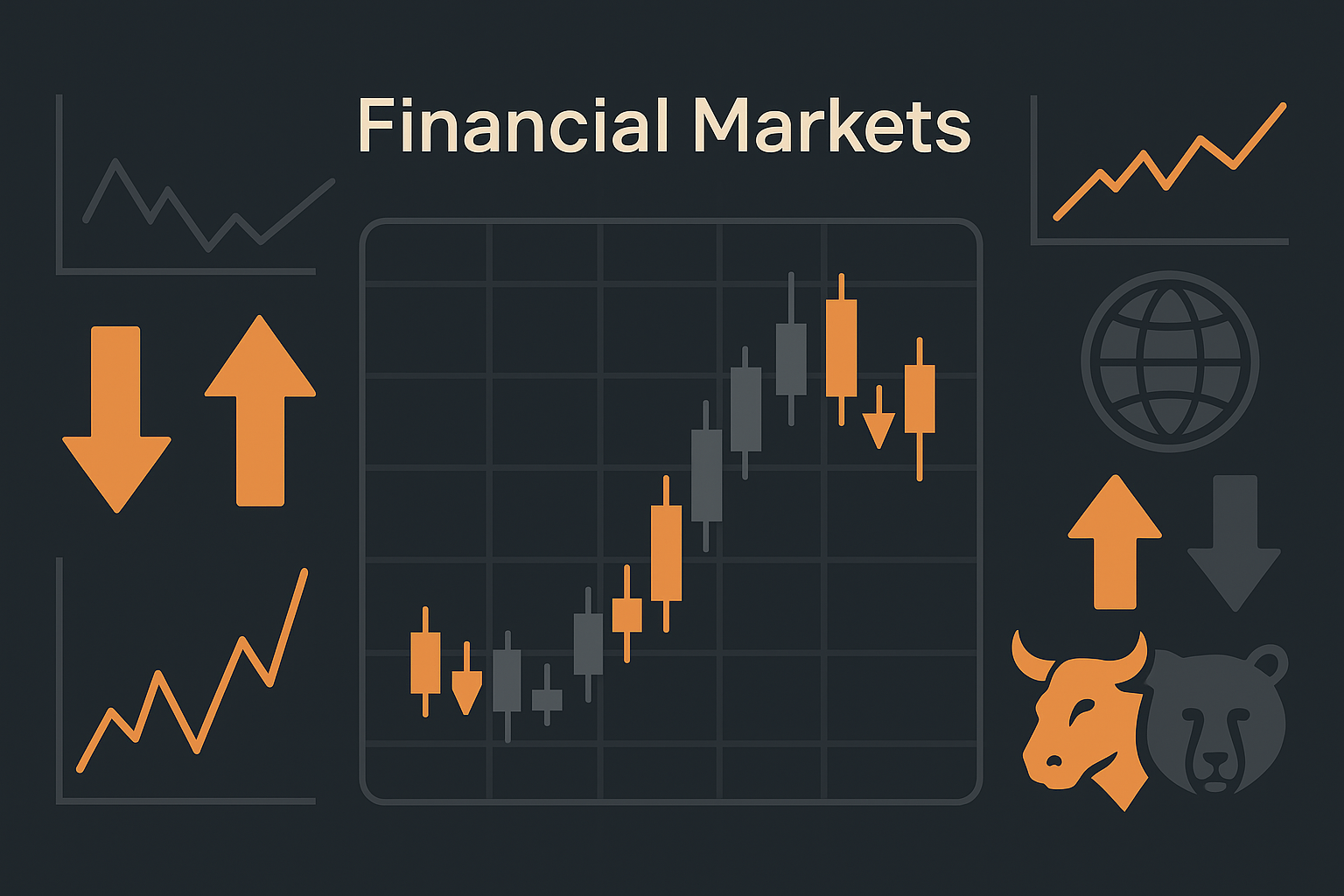
Markets navigated labor, housing and earnings signals while recalibrating Fed‑easing timelines. Cross‑asset moves hinged on growth versus disinflation. The week ahead features GDP, PCE, claims, PMIs, confidence, Fed guidance and key earnings. Scenarios span soft‑landing, growth or inflation scares. Investors should favor quality, balanced duration, nimble positioning amid event‑driven volatility.

January 23: A Midwinter Crossroads for American Agriculture

January 23: A Midwinter Crossroads for American Agriculture

January 23 spotlights agriculture’s policy-climate nexus: standardized Election Day aligned politics with farm calendars; the 24th Amendment expanded rural voices; the 1937 Ohio flood and 1985 Florida freeze spurred infrastructure and technology; 2017’s TPP withdrawal reshaped export competitiveness; and late-January reports and chores steer markets and on-farm decisions.

Late January U.S. Ag Weather Brief: Region-by-Region Outlook and Producer Checklist

Late January U.S. Ag Weather Brief: Region-by-Region Outlook and Producer Checklist

Late-January agricultural weather brings rapid shifts: cold stress in Northern Plains/Upper Midwest/Northeast, freeze risks in Southern Plains and Southeast, and Pacific storms aiding Western moisture but disrupting fieldwork. Use brief dry windows for maintenance and logistics, avoid saturated soils, protect livestock and sensitive crops, and verify local forecasts for timing.

Cold Plasma Seed Treatment: Cleaner Seeds, Faster Emergence, Fewer Chemicals

Cold Plasma Seed Treatment: Cleaner Seeds, Faster Emergence, Fewer Chemicals

Non-thermal (cold) plasma seed treatment uses reactive species to sanitize and prime seeds, improving emergence and reducing pathogens without chemicals. Atmospheric systems integrate into lines, suit many crops, and appeal to organic/conventional growers. Results are dose- and context-dependent; safety measures required; economics hinge on fewer chemicals and replants; standardization evolving.