Software & Web Development

Data Science & Robotics Development

Calc LLC provide high quality services at very competitive rate

Late-December U.S. Agricultural Weather Outlook: Regional Risks and 7-Day Planning Guide

Late-December U.S. Agricultural Weather Outlook: Regional Risks and 7-Day Planning Guide

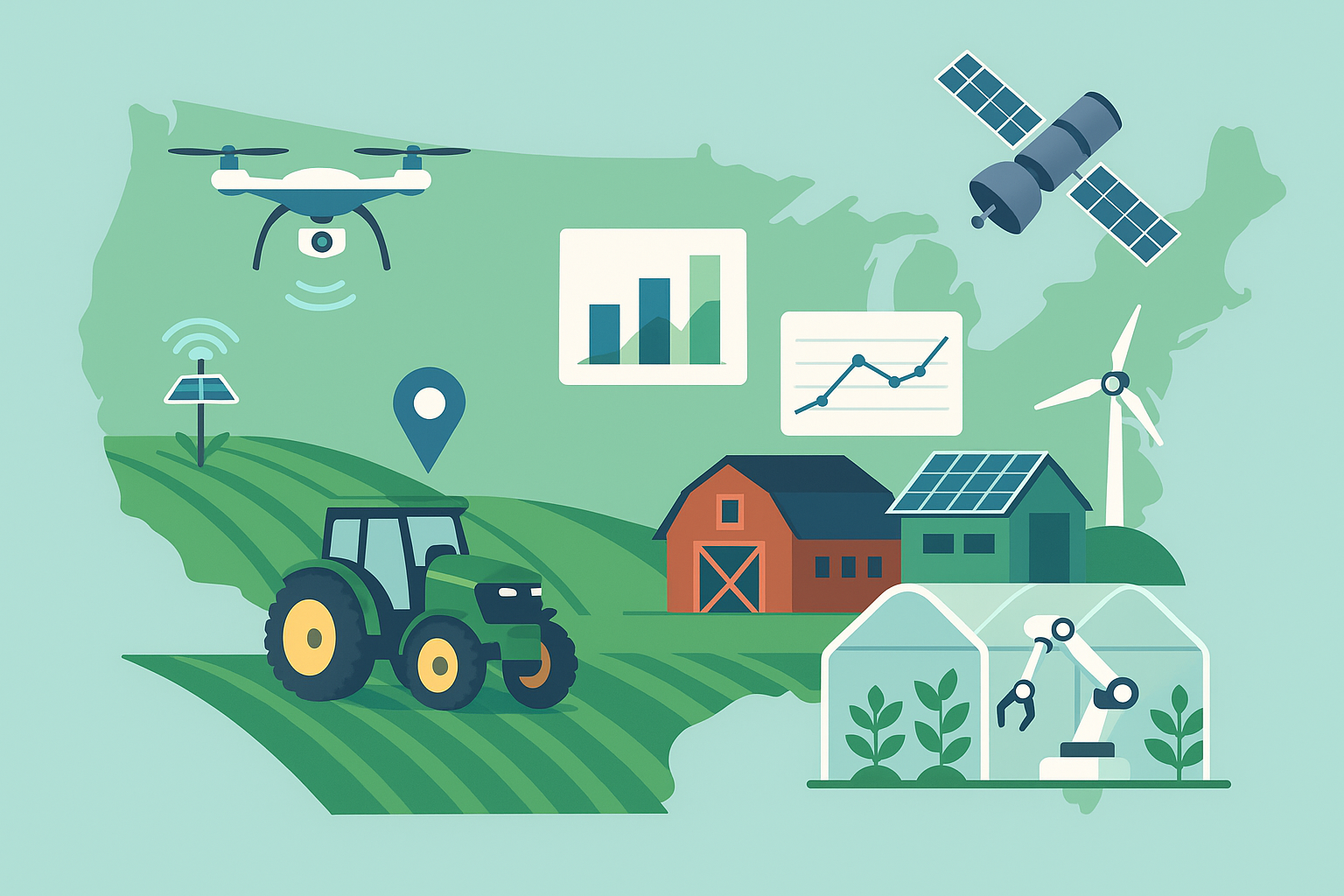
Late-December U.S. ag outlook: periodic freezes, frontal storms with rain/snow and wind, fog delays, and freeze–thaw limiting field access. Western systems boost rain/snowpack; Plains/Northern Tier face livestock and wheat cold stress. Use short dry windows, prepare frost protection, drainage, and transport contingencies; confirm local NWS forecasts.

Weather

Edge-AI Acoustic Sensors Bring Early Warning to Stored-Grain Pest Control

Edge-AI acoustic sensors use contact probes to detect high-frequency insect activity in stored grain, enabling earlier interventions than temperature or CO2 signals. On-device models classify impulses and send alerts with minimal power. Deployed in bins, they guide aeration, reduce losses, integrate with IPM, but need noise handling and calibration.

Tech

Holiday Lull, January Surge: Preparing for the Next Moves in U.S. Ag Policy

Holiday recess kept federal agriculture policy quiet, with no public congressional, regulatory, or judicial moves. Early January will bring activity on farm safety nets, conservation, nutrition, dairy, competition, labor, trade, biofuels, and compliance. Producers should prepare now: review enrollments, manage risk, budget, and ready comments.

Politics
US Macro Week Ahead: CPI, Treasury Supply, and the Fed – A Seven-Day Market Playbook

US Macro Week Ahead: CPI, Treasury Supply, and the Fed – A Seven-Day Market Playbook

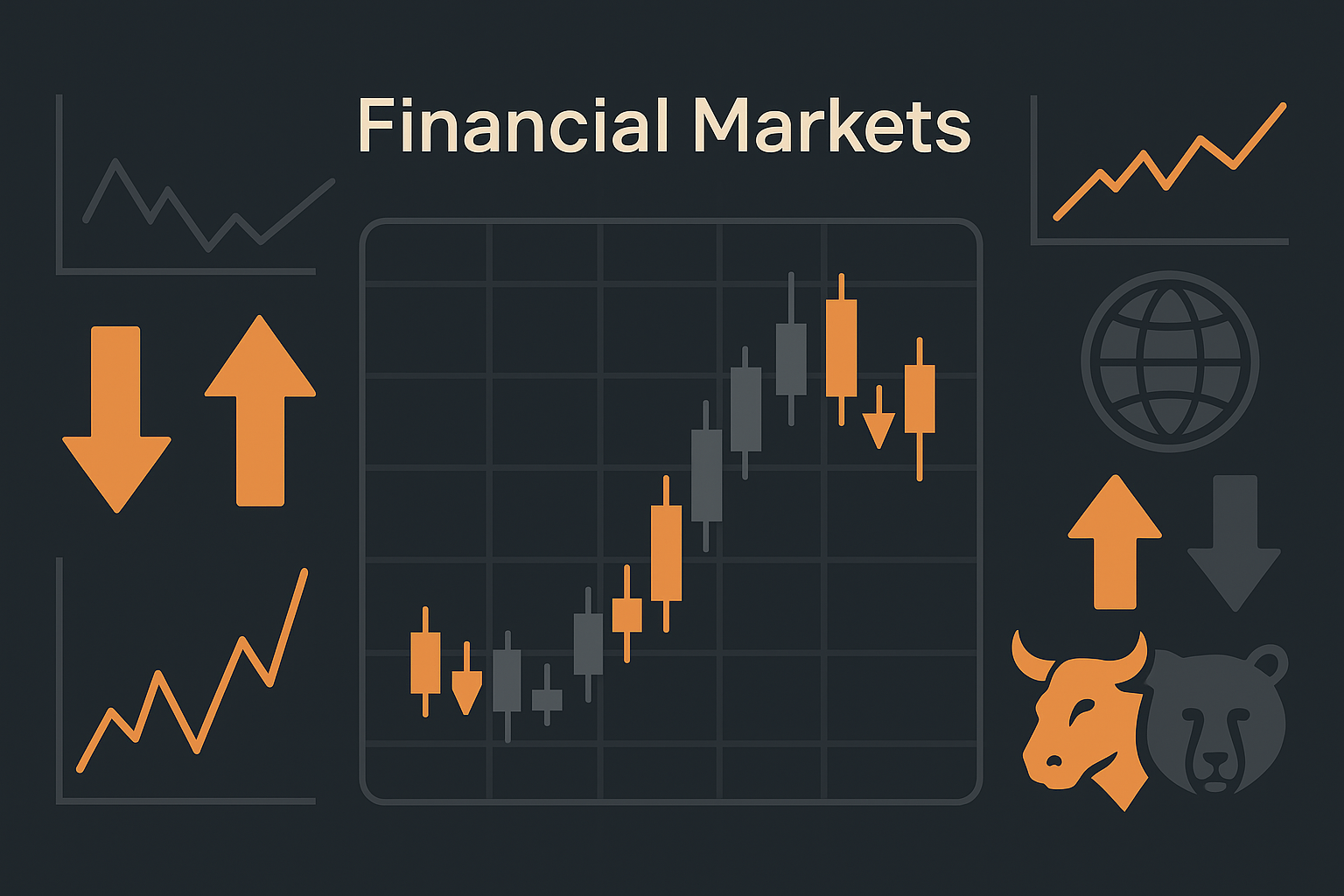
With key September catalysts approaching, markets focus on CPI/PPI, Treasury auctions, and energy/dollar moves. Outcomes guide Fed expectations, yields, equities, credit, FX. The report outlines seven-day scenarios, hedging and risks, stressing volatility: soft inflation favors duration, growth, weaker USD; hot prints tilt to value, steeper curves, firmer dollar.

September 10 at Hurricane Peak: From Donna to Irma, the Day U.S. Agriculture Is Tested

September 10 at Hurricane Peak: From Donna to Irma, the Day U.S. Agriculture Is Tested

September 10, the climatological peak of Atlantic hurricanes, has repeatedly reshaped U.S. agriculture—most notably via Florida landfalls by Donna (1960) and Irma (2017). Their wind and flood damage spurred huge losses, policy shifts (disaster aid, insurance), and enduring farm practices: pruning, windbreaks, drainage, hardened structures, power redundancy, and diversified harvests.

U.S. Ag Weather Outlook: Late-Summer Storms, Heat, and Harvest Windows

U.S. Ag Weather Outlook: Late-Summer Storms, Heat, and Harvest Windows

Late-summer U.S. farm weather features warm-to-hot conditions, scattered thunderstorms, and periodic fronts across the Northern Tier and Midwest. Next week brings intermittent showers with dry windows for harvest, continued irrigation demand Plains/West, daily storms Southeast/Delta, generally dry PNW/California, localized fire-weather concerns, and close monitoring of peak-season tropical threats.

Cold Plasma Seed Treatment: Residue-Free Sanitation and Faster, More Uniform Germination

Cold Plasma Seed Treatment: Residue-Free Sanitation and Faster, More Uniform Germination

Cold plasma seed treatment energizes gases to sanitize seed surfaces and subtly prime coats, boosting uniform germination without chemical residues. Systems integrate into seed lines, offering pathogen knockdown and safety with competitive costs. Outcomes depend on recipe and seed lot; careful trials, monitoring, and tuning are essential.

U.S. Ag Policy Snapshot: Farm Bill Talks, Appropriations, and What to Watch This Week

U.S. Ag Policy Snapshot: Farm Bill Talks, Appropriations, and What to Watch This Week

U.S. agriculture policy remains driven by farm bill negotiations, Agriculture-FDA appropriations, and incremental USDA/EPA/FDA actions. Debates focus on reference prices, IRA conservation funds, crop insurance, and SNAP. Watch Packers and Stockyards rules, dairy reforms, biofuels pathways, pesticide litigation, labor pressures, and trade. Upcoming: committee calendars, USDA data, Federal Register filings.

Range-Bound Markets Poised for Key Inflation Data and Treasury Auctions

Range-Bound Markets Poised for Key Inflation Data and Treasury Auctions

Markets were range-bound as investors positioned for CPI/PPI and Treasury auctions. Equities rotated without trend; Treasury yields, dollar, and commodities stayed steady; credit calm with hedging. Focus centers on core services inflation, labor signals, and auctions. Outcomes hinge on disinflation versus sticky pockets, steering rates, sector leadership, and volatility.

September 9: Turning Points in American Agriculture—Statehood, Strikes, Storms, and Smoke

September 9: Turning Points in American Agriculture—Statehood, Strikes, Storms, and Smoke

September 9 repeatedly marks turning points in U.S. agriculture: California’s 1850 statehood propelled irrigated specialty crops; the 1965 Delano strike galvanized farmworker rights; 2017 Hurricane Irma forced Florida into emergency resilience; and 2020’s wildfire smoke threatened grape quality—highlighting enduring battles over land, water, labor, risk, and adaptation.

Decarbonizing Nitrogen: The Promise and Practicalities of On‑Farm Green Ammonia

Decarbonizing Nitrogen: The Promise and Practicalities of On‑Farm Green Ammonia

Volatile fertilizer markets are spurring farm-scale green ammonia plants that use renewable electricity, electrolysis, and compact Haber–Bosch reactors to produce local nitrogen. Benefits include price stability, lower emissions, and energy integration, but economics hinge on power costs, utilization, cooperation, and policy. Safety, permitting, durability, and product flexibility remain critical hurdles.