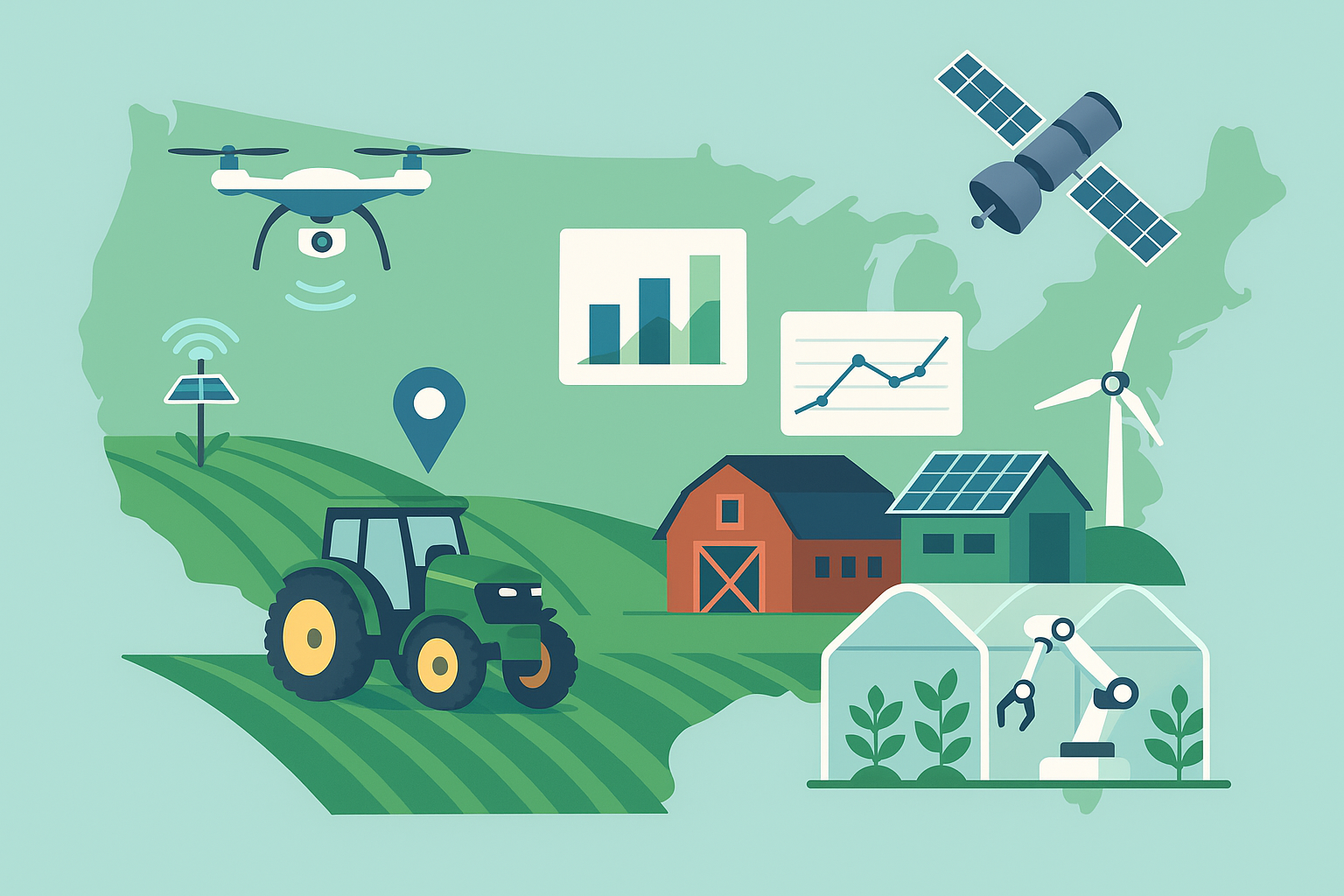
Fertilizer price spikes, supply chain shocks, and mounting pressure to decarbonize have pushed a once-niche idea to the center of agricultural strategy: making ammonia on the farm with renewable electricity. Instead of importing nitrogen fertilizer from centralized plants, a growing wave of modular “green ammonia” systems promises to synthesize it on-site from air and water, giving producers tighter control over costs, carbon footprints, and timing of application. The concept also doubles as a form of energy storage, turning intermittent solar or wind into a storable, dispatchable input that powers yields.
Why ammonia, and why now?
Ammonia underpins modern crop nutrition. Most nitrogen fertilizer ultimately starts as NH3, which can be applied directly or converted into other products. Yet conventional ammonia is among the most carbon-intensive basic chemicals, largely because it’s made with hydrogen derived from natural gas or coal. Price volatility has been pronounced in the past few years, with farmers caught between unpredictable input costs and tight planting windows.
Green ammonia systems replace fossil-derived hydrogen with hydrogen from water electrolysis powered by low-carbon electricity. By shrinking the process to modular skids that can be installed at or near a farm or cooperative, the technology aims to localize supply, smooth price risk, and cut transport emissions, all while participating in grid flexibility markets. In short, it’s a tool for both decarbonization and resilience.
How on-farm green ammonia systems work
Modern micro-plants bundle familiar building blocks from the chemical and power sectors into a compact, automated package:
- Renewable electricity supply: Typically on-farm solar, small-scale wind, or a grid connection paired with renewable contracts. Batteries may be added for short-term smoothing.
- Hydrogen production: A water electrolyzer splits deionized water into hydrogen and oxygen. The oxygen can be vented or used elsewhere on-site.
- Nitrogen supply: A compact air separation unit (commonly membrane or pressure-swing adsorption) concentrates nitrogen from ambient air.
- Ammonia synthesis: Hydrogen and nitrogen feed a catalytic reactor loop that combines them into ammonia under controlled temperature and pressure. Heat is recovered and reused within the loop to boost efficiency.
- Storage and dispensing: Finished ammonia is chilled or pressurized and stored in code-compliant tanks. From there, it can be used directly as anhydrous ammonia or further processed into aqueous ammonia blends, depending on the system.
- Controls and safety: Industrial-grade sensors, leak detection, automated shutdowns, ventilation, and operator interfaces provide remote monitoring and safe operation.
Alternative approaches are emerging. Some developers are advancing plasma-assisted nitrogen fixation or electrochemical routes that could operate at milder conditions and ramp with renewables. These remain earlier in commercialization than the “electrolyzer + catalytic synthesis” pathway but could further reduce complexity over time.
Scale and footprint
On-farm units are sized to match local demand, with common offerings producing from a few hundred kilograms up to a few tonnes of ammonia per day. Many are containerized and sit on a small concrete pad with adjacent storage, fitting into existing farm infrastructure footprints.
Because the process converts electricity into chemical energy, the power requirement is the key design driver. Typical systems today require roughly 9–13 megawatt-hours of electricity per tonne of ammonia produced, depending on efficiency and operating mode.
- Rule-of-thumb water use: around 1.6 cubic meters of deionized water per tonne of ammonia for electrolysis, plus additional water for cooling loops that typically recirculate.
- Solar sizing example: delivering 1 tonne per day at 10 MWh/tonne equates to about 10 MWh/day of electricity. With a 20% photovoltaic capacity factor, that implies roughly 2–3 MW of nameplate solar, which commonly requires 8–15 acres depending on module and layout choices. Actual designs vary widely with climate and equipment.
What it changes for farm operations
- Cost control and hedging: Instead of buying ammonia at spot prices, farmers convert a larger share of their cost structure into long-term power contracts and equipment financing. This can reduce exposure to commodity shocks.
- Tighter logistics: Local production cuts reliance on long-haul trucking and seasonal bottlenecks, improving the odds of applying nitrogen at the agronomically optimal moment.
- Carbon accounting: When powered by low-carbon electricity, the embedded emissions of ammonia drop significantly. This can support Scope 3 targets for food companies, carbon reporting for growers, and eligibility for emerging green premiums.
- Grid flexibility: Systems can throttle up when electricity is abundant and cheap and idle when prices spike, earning value from demand response and helping integrate more renewables on rural feeders.
- Seasonal energy storage: Excess summer solar can be stored as ammonia for later use, whether as fertilizer or as a fuel for stationary engines or turbines designed for ammonia blends. Some projects envision reconversion to electricity or heat during off-season operations.
Economics: the moving parts
The levelized cost of green ammonia depends on a handful of variables that differ by region and farm profile:
- Electricity price and availability: The single largest driver. Behind-the-meter solar or wind paired with smart scheduling often undercuts retail tariffs.
- Capacity factor: Higher run-hours spread fixed costs over more output, but many farms deliberately operate flexibly to chase low power prices.
- Equipment efficiency and financing: Electrolyzer performance, system integration, and the cost of capital (or leasing terms) all matter.
- Incentives and credits: Clean power credits, hydrogen or ammonia incentives, and grid services revenue can close gaps with conventional supply.
- Avoided logistics and storage: Savings from reduced freight, demurrage, and dealer margins can be material, especially in remote regions.
In practice, early adopters tend to be large growers and cooperatives with strong load profiles, access to low-cost renewables, or strategic reasons to localize inputs. As equipment costs fall and more financing models emerge, smaller operations can participate through shared facilities or service contracts.
Integration with agronomy and stewardship
On-site ammonia is most powerful when paired with precision application and robust nitrogen management plans. Integrating variable-rate equipment, soil testing, and weather-informed scheduling helps capture yield benefits while minimizing losses to volatilization and leaching. Where regulations or certification schemes reward lower embedded emissions, green ammonia can be stacked with practices like cover cropping and reduced tillage to demonstrate system-wide improvements.
Safety, permitting, and community considerations
Ammonia is widely used in agriculture today, and the same respect for safety applies to production on-site. Developers design systems to applicable codes and standards, including:
- Engineered controls: Gas detection, ventilation, emergency shutdown, and secondary containment tailored to site conditions.
- Training and procedures: Clear operating protocols, personal protective equipment, and emergency response coordination with local authorities.
- Siting and storage: Setbacks, fencing, and signage that conform to local and national regulations for ammonia tanks and equipment.
Community engagement—covering noise, traffic, visual impact, and environmental monitoring—helps align projects with local priorities and address concerns early.
Where the market stands
What began as a research niche is entering commercial reality. Several developers and agricultural partners have announced pilot and early commercial projects producing hundreds of kilograms to a few tonnes per day, often co-located with solar or wind installations. Larger chemical companies are also decarbonizing centralized ammonia plants with renewable hydrogen, building supply chains for low-carbon fertilizer and, increasingly, exploring certifications that trace emissions from production to the field.
Beyond agriculture, potential buyers for green ammonia include maritime shipping, power generation, and industrial processes, creating optionality for producers and the promise of deeper markets that can support scale-up and cost reductions.
Questions to ask before you order a system
- What is my annual and seasonal nitrogen demand, and how does that map to the plant’s output and storage plan?
- What electricity mix (behind-the-meter renewables, grid contracts, or both) will deliver reliable, low-cost power?
- How will the system operate flexibly around planting and side-dress windows without stranding capacity the rest of the year?
- What is the full installed footprint, including setbacks, storage, and interconnections?
- Which certifications, warranties, service agreements, and remote monitoring capabilities are included?
- How do incentives, carbon accounting rules, and potential green premiums apply in my region and buyer network?
- What is the plan for operator training, emergency response coordination, and community engagement?
What’s next
Expect rapid iteration on three fronts. First, better integration with farm energy systems—solar, wind, batteries, and even biogas—will improve runtimes and economics. Second, advances in electrolyzers, catalysts, and alternative synthesis pathways promise higher efficiency and faster ramping, better matched to variable renewables. Third, finance will mature: power purchase agreements, equipment leases, and cooperative ownership models tailored to agriculture will bring down upfront hurdles.
If those pieces come together, on-farm green ammonia could shift from a hedge against volatility to a core pillar of farm self-reliance—turning air, water, and sunlight into the nitrogen that feeds the world, with fewer emissions and tighter control from field to ledger.