Software & Web Development

Data Science & Robotics Development

Calc LLC provide high quality services at very competitive rate

Early May 2026 U.S. Ag Weather Outlook and Field Guidance

Early May 2026 U.S. Ag Weather Outlook and Field Guidance

Early May U.S. ag weather remains variable: scattered, brief storms across Plains, Corn Belt, and Mid-South amid warm, humid South; mostly dry California and Desert Southwest; periodic light precip Pacific Northwest. Expect alternating fieldwork windows with breezy days; localized severe, flooding, and fire risks; monitor disease, irrigation, and heat stress.

Weather
Cold Plasma Comes to the Farm: Cleaner Seeds, Safer Produce, and Nitrogen from Air

Cold plasma, a room-temperature ionized gas, offers farms residue-free seed priming and sanitization, produce disinfection, plasma-activated water, and on-site nitrate production from air. Benefits include reduced chemicals, water, and logistics; modular, renewable-ready hardware. Success depends on dose control, uniform exposure, energy efficiency, and validation, with smarter, integrated systems improving ROI.

Tech

Quiet Moves, Big Stakes: Incremental Budget and Rulemaking Steps Are Steering U.S. Agriculture This Week

U.S. ag policy saw positioning, not headlines, across budgets, USDA/EPA rules, biofuels credits, labor, water, and interstate standards. Stakeholders pressed for clarity on timelines, funding, and compliance. Expect incremental notices and guidance shaping planting, contracts, and investments; monitor pesticide/ESA, animal health, and trade risks as appropriations and rulemakings advance.

Politics
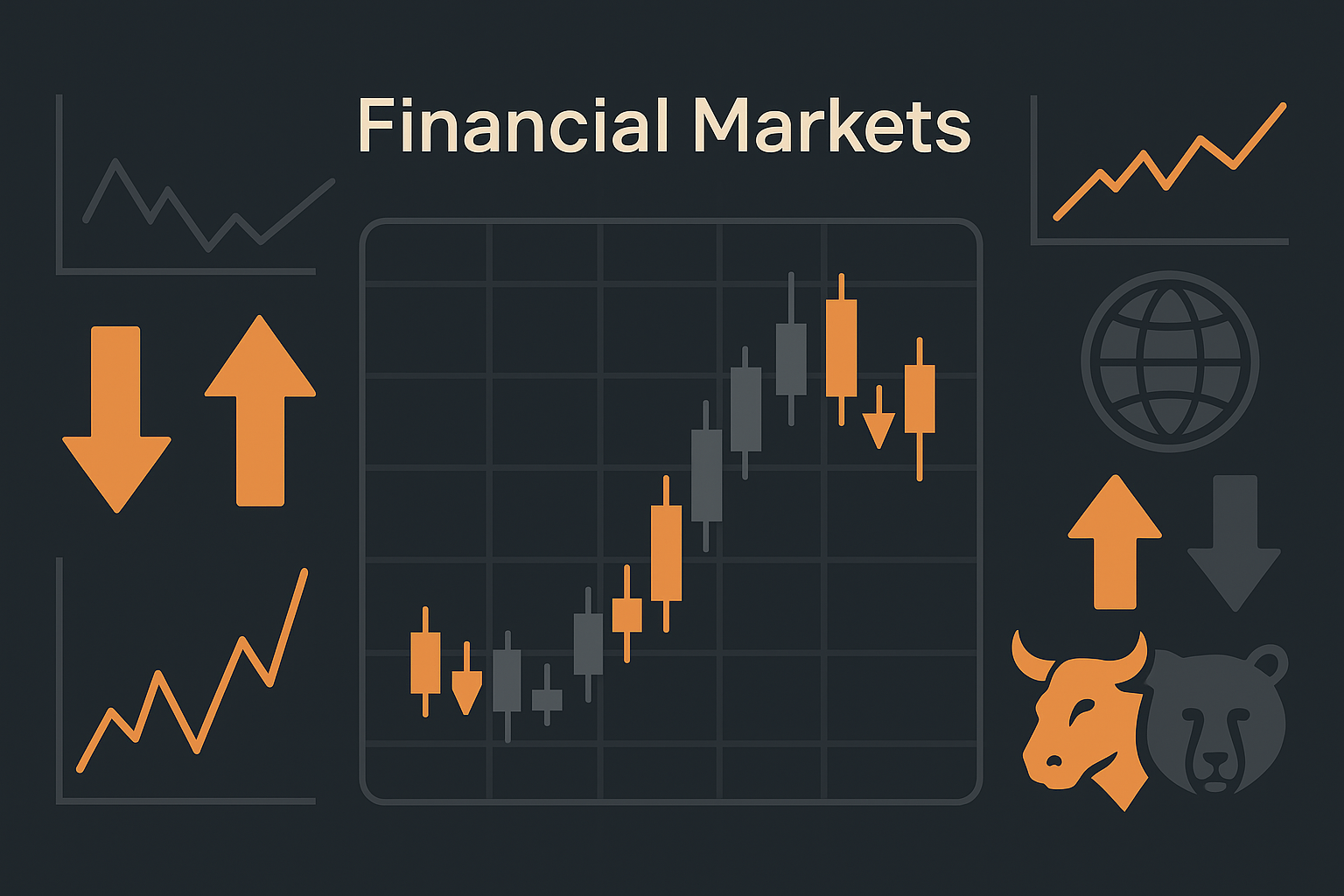
PCE, PMIs, and Payrolls: Pre-Labor Day Market Wrap and Week Ahead

PCE, PMIs, and Payrolls: Pre-Labor Day Market Wrap and Week Ahead

Markets into Labor Day focused on PCE disinflation, sentiment, and Chicago PMI amid thin, month‑end liquidity. Treasuries traded on Fed path; equities balanced soft‑landing hopes vs slowdown; USD tracked rates; issuance was light. Next week’s ISMs, JOLTS, ADP, and payrolls anchor direction, with scenarios hinging on growth, wages, and inflation.

August 30’s Legacy in U.S. Agriculture: From the 1890 Morrill Act to Modern Resilience

August 30’s Legacy in U.S. Agriculture: From the 1890 Morrill Act to Modern Resilience

The 1890 Second Morrill Act expanded land-grant access and funding to HBCUs, spreading agricultural education, research, and Extension to Black communities. Its 1890 universities drive innovation with dedicated support. August 30 also marks hurricanes that exposed vulnerabilities in crops, logistics, and recovery, reinforcing land-grant institutions' role in resilience and inclusion.

Seven-Day U.S. Ag Weather Outlook: Late-Summer Heat, Patchy Storms, and Tropical Watch

Seven-Day U.S. Ag Weather Outlook: Late-Summer Heat, Patchy Storms, and Tropical Watch

Typical late-summer pattern: heat, humidity, and hit-or-miss storms. Corn Belt/Plains see uneven rainfall with brief fronts; Southeast/Delta daily downpours; Southwest spotty monsoon; West/PNW largely dry with good harvest windows. Expect elevated disease risk, livestock heat stress, high irrigation demand, and late-week tropical uncertainty along Gulf/Atlantic coasts.

Microwave Weeding: Directed Energy for Precision, Chemical-Free Weed Control

Microwave Weeding: Directed Energy for Precision, Chemical-Free Weed Control

Microwave weed control directs 2.45 GHz energy to heat and kill weeds and near-surface seeds, offering precise, residue-free management for organic and resistant scenarios. Effective on small annuals and under-row bands, it trades speed and cost for safety and sensing. Advances in solid-state RF and autonomy are accelerating adoption.

Late-Summer U.S. Ag Policy Outlook: Deadlines, Risk, Rules, and Trade

Late-Summer U.S. Ag Policy Outlook: Deadlines, Risk, Rules, and Trade

U.S. agriculture policy is in a late-summer holding pattern, with fewer congressional moves and more agency, state, and court activity. Priorities: funding continuity, disaster risk management, regulatory disputes, and trade. Watch federal releases, appropriations signals, regulatory notices, disaster declarations, trade steps, and court actions affecting compliance and cash flow.

Inflation and Labor in Focus: PCE and the Jobs Report to Shape Rates and Risk into September

Inflation and Labor in Focus: PCE and the Jobs Report to Shape Rates and Risk into September

Markets navigated thin, month‑end liquidity ahead of Labor Day, weighing GDP revisions, jobless claims, and housing/trade data while positioning for July PCE and next week’s jobs report. With growth resilient yet slowing and inflation mixed, the Fed remains data‑dependent; outcomes will steer rates, the dollar, and cross‑asset leadership.

August 29: When Weather, Markets, and Policy Converge in U.S. Agriculture

August 29: When Weather, Markets, and Policy Converge in U.S. Agriculture

August 29 is a recurring pivot in U.S. agriculture: from Shays’ Rebellion’s courthouse protest (1786) to Gulf hurricanes Katrina, Isaac, and Ida disrupting crops and export logistics. Late-August crop vulnerability and supply-chain concentration magnify risk, spurring on-farm hardening, insurance, logistics resilience, and preparedness that reshape policy and producer decision-making.

Soft‑Landing in the Balance: A Data‑Driven Late‑Summer Market Recap and Outlook

Soft‑Landing in the Balance: A Data‑Driven Late‑Summer Market Recap and Outlook

Markets traded cautiously, data-dependent and month-end sensitive. Soft-landing remains base case as investors parse inflation, labor and Fed signals; yields oscillate, dollar range-bound, commodities mixed, credit stable, volatility subdued. Upcoming core PCE, job data, ISM and Treasury supply will steer rate-cut timing, curve shape, sector rotation and FX into September.