Software & Web Development

Data Science & Robotics Development

Calc LLC provide high quality services at very competitive rate

Early May 2026 U.S. Ag Weather Outlook and Field Guidance

Early May 2026 U.S. Ag Weather Outlook and Field Guidance

Early May U.S. ag weather remains variable: scattered, brief storms across Plains, Corn Belt, and Mid-South amid warm, humid South; mostly dry California and Desert Southwest; periodic light precip Pacific Northwest. Expect alternating fieldwork windows with breezy days; localized severe, flooding, and fire risks; monitor disease, irrigation, and heat stress.

Weather
Cold Plasma Comes to the Farm: Cleaner Seeds, Safer Produce, and Nitrogen from Air

Cold plasma, a room-temperature ionized gas, offers farms residue-free seed priming and sanitization, produce disinfection, plasma-activated water, and on-site nitrate production from air. Benefits include reduced chemicals, water, and logistics; modular, renewable-ready hardware. Success depends on dose control, uniform exposure, energy efficiency, and validation, with smarter, integrated systems improving ROI.

Tech

Quiet Moves, Big Stakes: Incremental Budget and Rulemaking Steps Are Steering U.S. Agriculture This Week

U.S. ag policy saw positioning, not headlines, across budgets, USDA/EPA rules, biofuels credits, labor, water, and interstate standards. Stakeholders pressed for clarity on timelines, funding, and compliance. Expect incremental notices and guidance shaping planting, contracts, and investments; monitor pesticide/ESA, animal health, and trade risks as appropriations and rulemakings advance.

Politics
August 28’s Imprint on U.S. Agriculture: Price Controls, Storms, and Civil Rights

August 28’s Imprint on U.S. Agriculture: Price Controls, Storms, and Civil Rights

August 28 repeatedly reshaped U.S. agriculture: 1941’s OPA launched wartime price controls; the 1893 Sea Islands Hurricane devastated coastal farms; 2011’s Irene flooded Northeast fields; and 1963’s March on Washington advanced civil-rights reforms for farmers. Together, these moments inform today’s policies on prices, disaster resilience, and equity.

Late-August U.S. Agricultural Weather Brief: Regional 7-Day Outlook, Hazards, and Fieldwork Guidance

Late-August U.S. Agricultural Weather Brief: Regional 7-Day Outlook, Hazards, and Fieldwork Guidance

Late-August U.S. ag update: Expect heat/humidity stress in the South, scattered but uneven storms across central/eastern belts, monsoon showers in the Southwest, and tropical-season risks for the Southeast/Delta. Field windows short and flexible. Monitor NWS/mesonet for localized rain, severe, flooding, fire/smoke, and disease; adjust irrigation, spraying, harvest, and livestock plans.

A Field Guide to Agrivoltaics: Harvesting Food and Power on the Same Acre

A Field Guide to Agrivoltaics: Harvesting Food and Power on the Same Acre

Agrivoltaics co-locates crops and solar, using elevated or spaced PV to create shade, save water, and generate on-farm power. Design variants suit climates and crops, with careful planning for equipment access, economics, and policy. Success hinges on balancing light, water, and operations; innovations promise smarter controls and biodiversity gains.

U.S. Agriculture Policy This Week: Recess Lull, Regulatory Watch, and Disaster Preparedness

U.S. Agriculture Policy This Week: Recess Lull, Regulatory Watch, and Disaster Preparedness

With Congress in recess before the Sept. 30 fiscal deadline, U.S. agriculture pivots to agency actions, regulatory timelines, and disaster readiness. USDA programs, H‑2A compliance, biofuel credit data, and market transparency dominate. The week ahead centers on weather risks, weekly USDA reports, holiday-adjusted schedules, and positioning for funding debates.

Month-End Markets: Inflation vs. Growth, Treasury Supply, and the Week-Ahead Playbook

Month-End Markets: Inflation vs. Growth, Treasury Supply, and the Week-Ahead Playbook

Markets fixated on inflation, growth, and Treasury supply into thin month‑end liquidity, balancing cooling prices against resilient demand. Cross‑asset moves hinge on core PCE, labor/manufacturing data, auctions, and energy. Cooler inflation with steady spending supports duration, equities, tight credit; firmer data lifts yields, compresses multiples, favors defensives/energy, pressures high‑beta.

August 27: A Pivotal Date in American Agriculture

August 27: A Pivotal Date in American Agriculture

August 27 repeatedly shaped U.S. agriculture, from hurricanes Laura, Irene and Bonnie disrupting late-season harvests, to the 2018 U.S.–Mexico trade breakthrough and a 2015 WOTUS court pause. It also marks LBJ’s birth, Drake’s oil well, and Krakatoa’s distant effects—underscoring preparedness, stable trade, and policy’s everyday impact.

U.S. Wheat Market Report – August 26, 2025

U.S. Wheat Market Report – August 26, 2025

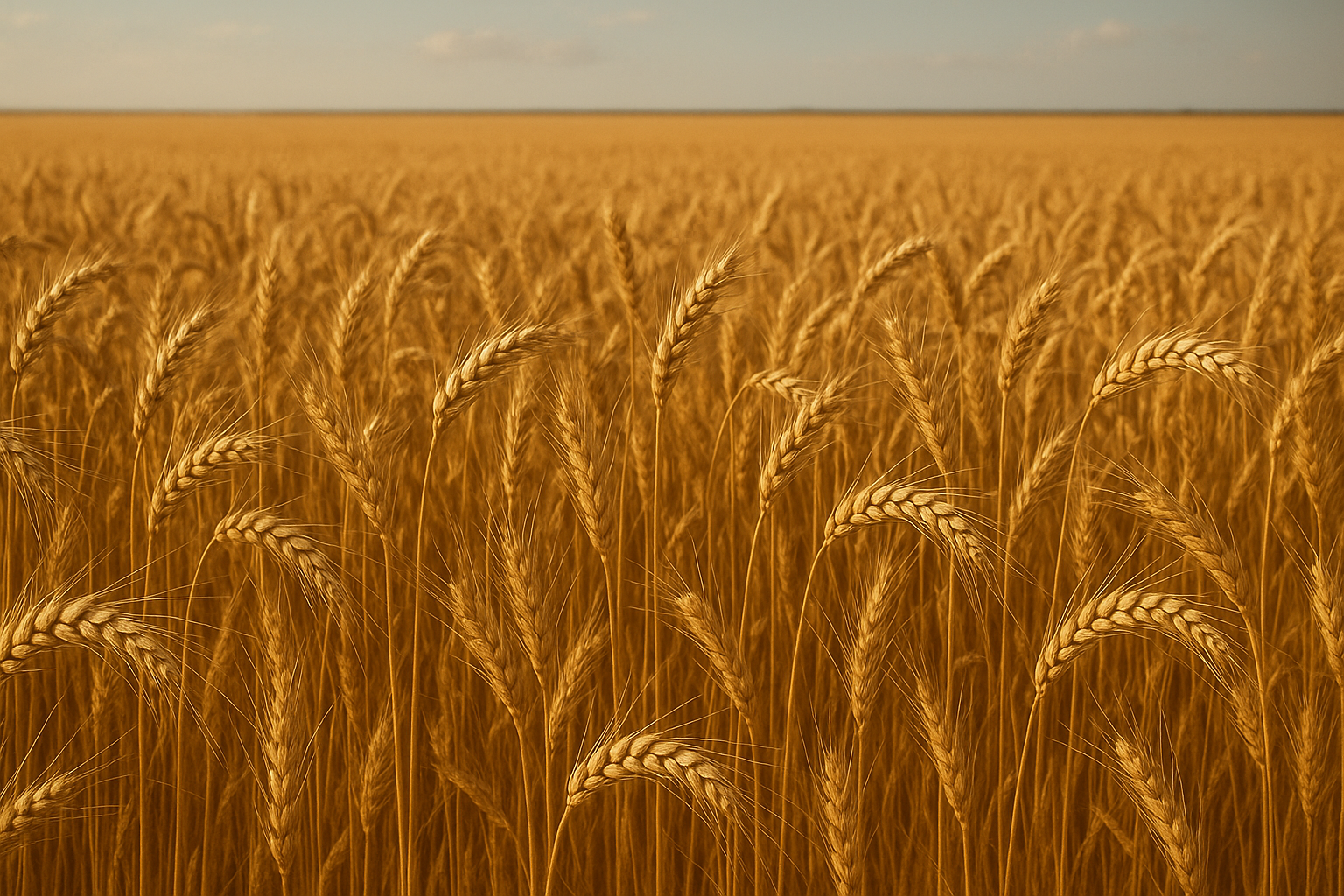
U.S. wheat prices rose 1.3% amid strong export demand and competitive pricing. USDA forecasts slightly lower production but increased exports and reduced ending stocks. Over the next week, prices may remain firm, supported by global supply concerns and weather risks in key regions.

U.S. Soybean Market Report – August 26, 2025

U.S. Soybean Market Report – August 26, 2025

U.S. soybean prices rose slightly to $10.32/bushel, supported by strong domestic crush demand. USDA forecasts record yields but lower acreage, with stable production and exports. Weather remains a key factor, and prices are expected to stay firm over the next week amid cautious market sentiment.