Software & Web Development

Data Science & Robotics Development

Calc LLC provide high quality services at very competitive rate

Early May 2026 U.S. Ag Weather Outlook and Field Guidance

Early May 2026 U.S. Ag Weather Outlook and Field Guidance

Early May U.S. ag weather remains variable: scattered, brief storms across Plains, Corn Belt, and Mid-South amid warm, humid South; mostly dry California and Desert Southwest; periodic light precip Pacific Northwest. Expect alternating fieldwork windows with breezy days; localized severe, flooding, and fire risks; monitor disease, irrigation, and heat stress.

Weather
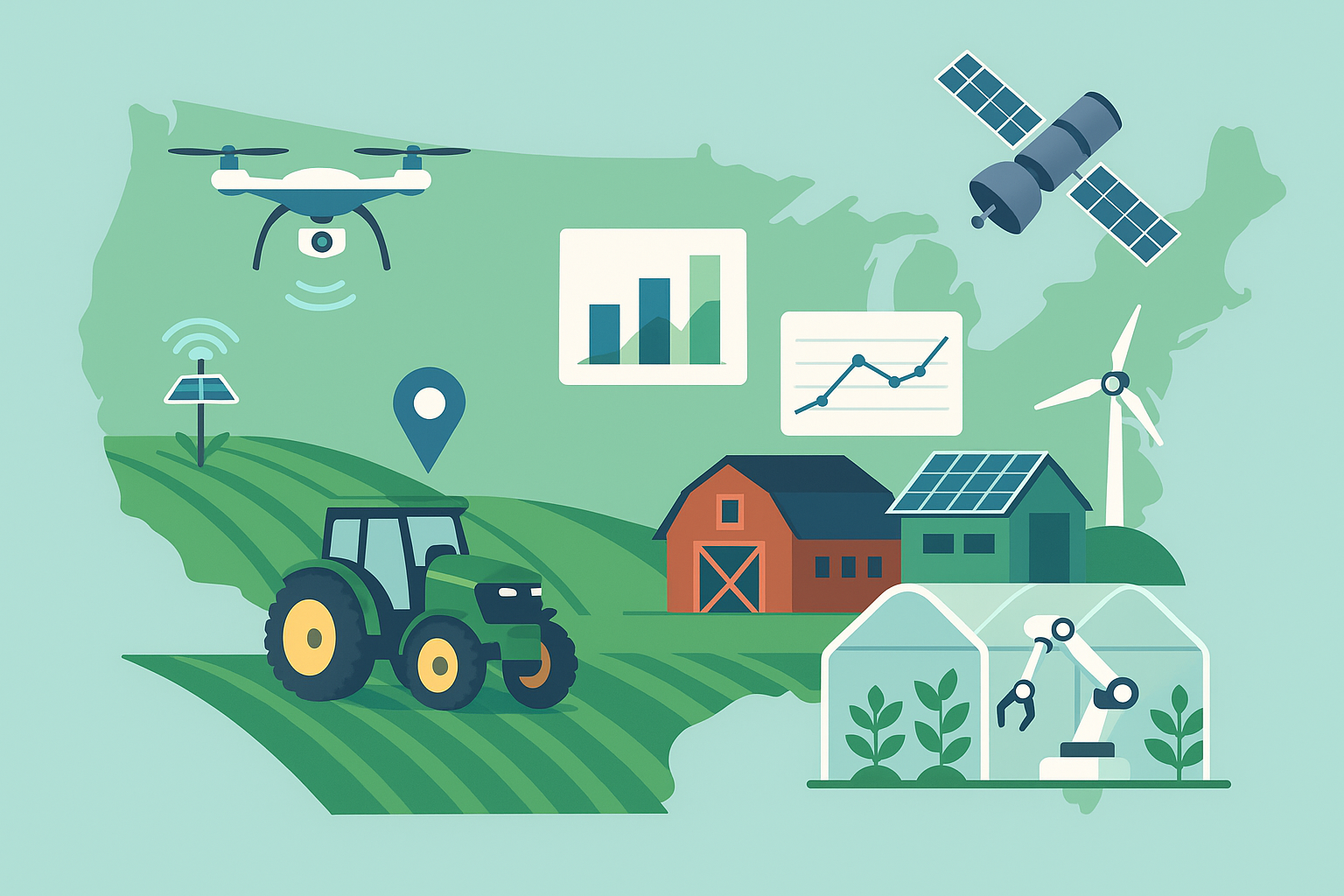
Cold Plasma Comes to the Farm: Cleaner Seeds, Safer Produce, and Nitrogen from Air

Cold plasma, a room-temperature ionized gas, offers farms residue-free seed priming and sanitization, produce disinfection, plasma-activated water, and on-site nitrate production from air. Benefits include reduced chemicals, water, and logistics; modular, renewable-ready hardware. Success depends on dose control, uniform exposure, energy efficiency, and validation, with smarter, integrated systems improving ROI.

Tech

Quiet Moves, Big Stakes: Incremental Budget and Rulemaking Steps Are Steering U.S. Agriculture This Week

U.S. ag policy saw positioning, not headlines, across budgets, USDA/EPA rules, biofuels credits, labor, water, and interstate standards. Stakeholders pressed for clarity on timelines, funding, and compliance. Expect incremental notices and guidance shaping planting, contracts, and investments; monitor pesticide/ESA, animal health, and trade risks as appropriations and rulemakings advance.

Politics
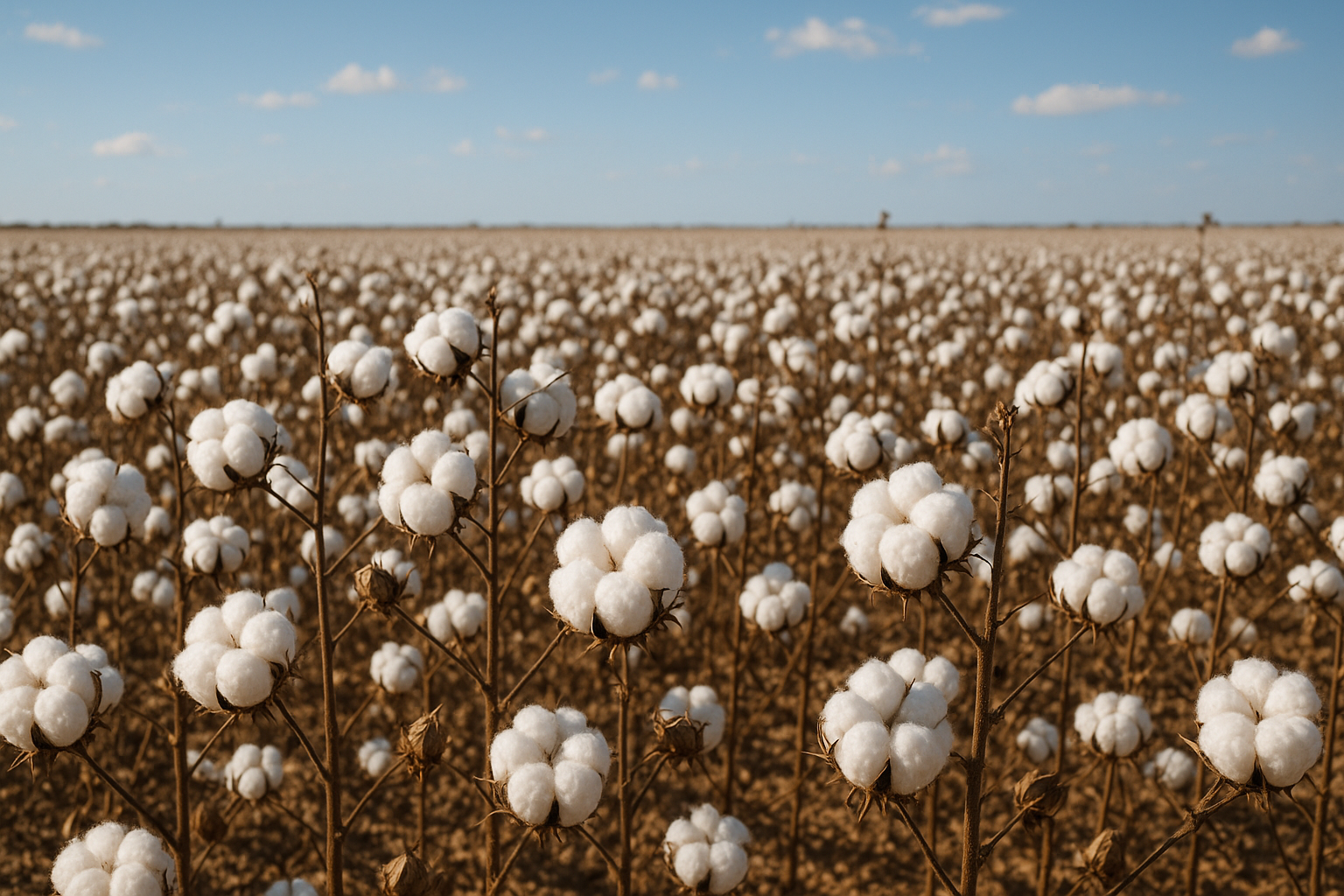
U.S. Cotton Market Report – August 26, 2025

U.S. Cotton Market Report – August 26, 2025

U.S. cotton prices rose slightly as futures gained on tightening domestic supplies. USDA forecasts lower production and exports due to reduced acreage and drought in the Southwest. Despite weak global demand, supply constraints may support prices over the next week, with a mildly bullish outlook prevailing.

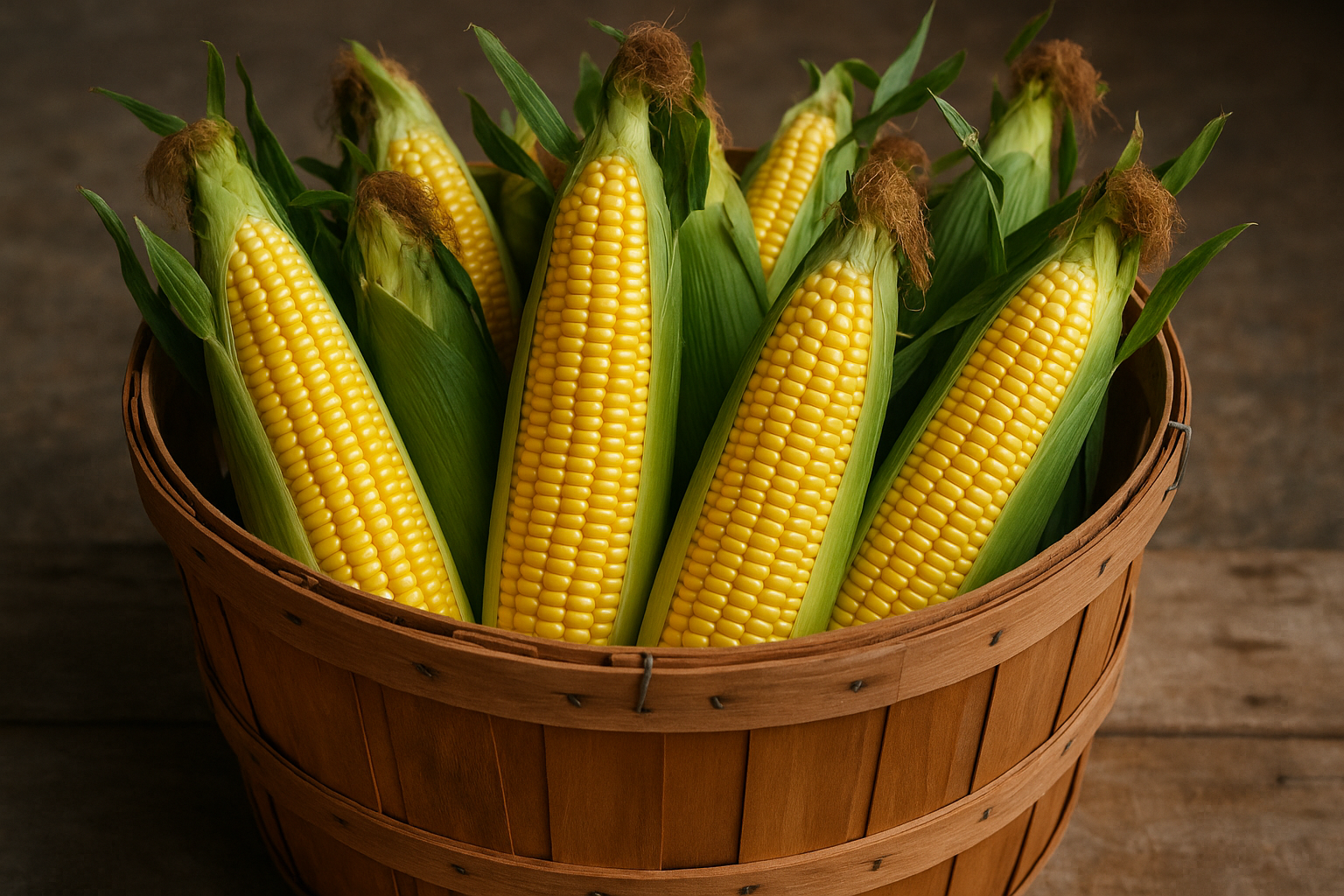
U.S. Corn Market Report – August 26, 2025

U.S. Corn Market Report – August 26, 2025

U.S. corn prices rose slightly amid lower yield estimates, but USDA forecasts record production. Market faces short-term pressure from oversupply, with stable demand expected to support prices over the next week.

Late-Summer U.S. Farm Country Outlook: Heat Persists, Patchy Storms Offer Spotty Relief

Late-Summer U.S. Farm Country Outlook: Heat Persists, Patchy Storms Offer Spotty Relief

Late-summer U.S. farm weather remains a patchwork: heat and dryness dominate the West and Southern Plains, with monsoon storms in the Four Corners; scattered storm clusters sweep the Northern Plains, Midwest, and Northeast; daily Gulf/sea-breeze storms persist in the Southeast. Expect cool-downs north, heat stress south, flooding and fire risks.

U.S. Agriculture Policy Watch: Key Fronts, Washington Signals, and a 7-Day Outlook

U.S. Agriculture Policy Watch: Key Fronts, Washington Signals, and a 7-Day Outlook

A forward-looking overview of U.S. agriculture policy, highlighting farm bill funding, disaster aid, trade, climate/conservation, labor, water, nutrition, competition, biofuels, and rural infrastructure. It flags agency and congressional signals, near-term data and legal catalysts, regional water and weather pressures, and action items for producers, agribusiness, biofuels, communities, and consumers.

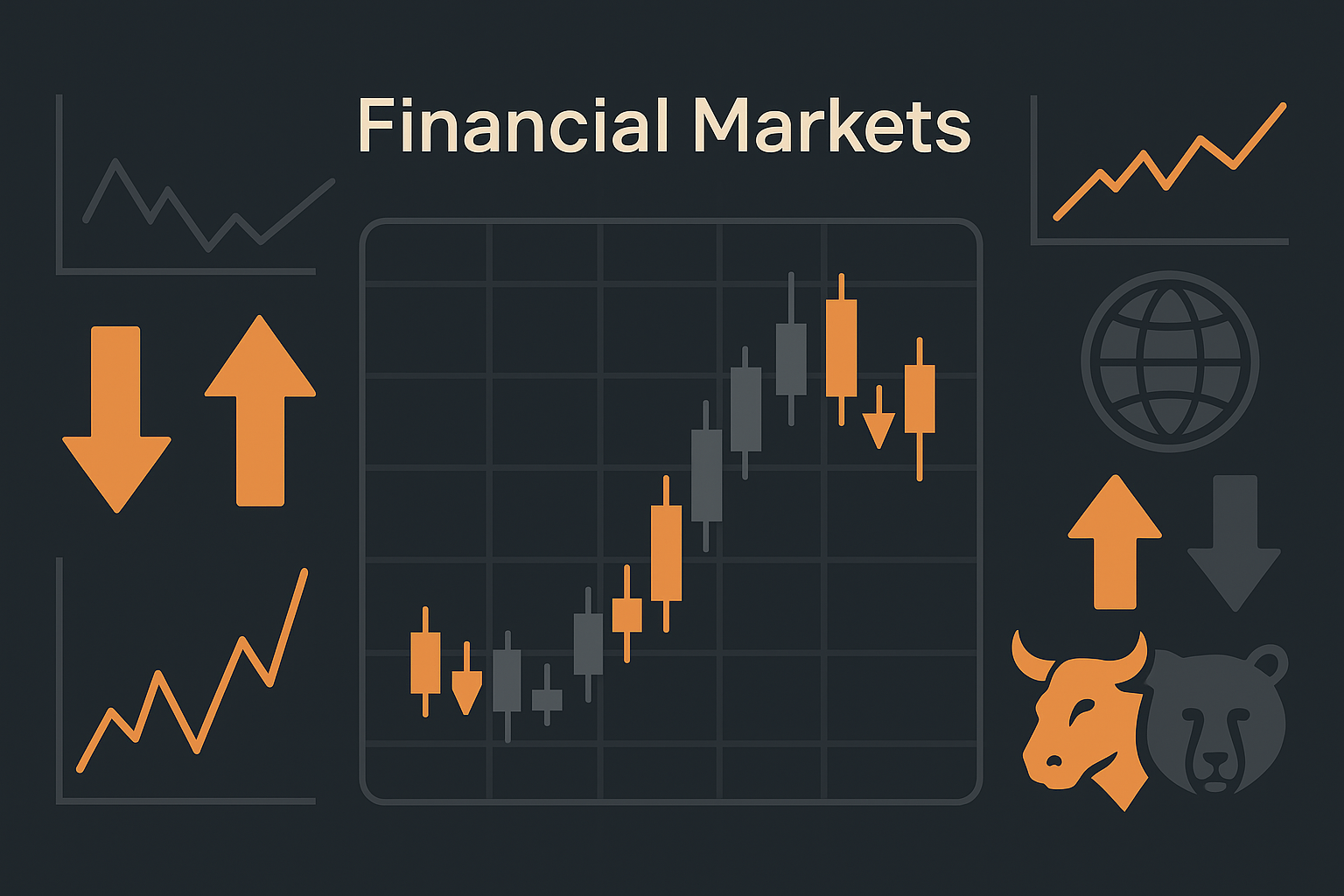
Week Ahead: Late-August US Macro Outlook - PCE, ISM, and Treasury Auctions in Focus

Week Ahead: Late-August US Macro Outlook - PCE, ISM, and Treasury Auctions in Focus

Without real-time data, the report frames late-August trading: month-end rebalancing, clustered releases, and Treasury supply. The week ahead centers on PCE inflation and ISM, alongside consumer confidence, durables, GDP revisions, and claims. Thin pre-holiday liquidity heightens moves; outcomes will steer yields, equities' factor leadership, credit spreads, and the dollar.

Storms, Suffrage, and the Seasonal Pulse: August 26 in U.S. Agriculture

Storms, Suffrage, and the Seasonal Pulse: August 26 in U.S. Agriculture

August 26 marks agriculture’s crossroads: Hurricane Andrew (1992) and Harvey (2017) exposed vulnerabilities from cane to cotton and spurred resilience: anchored storage, hardened infrastructure, insurance reforms, and emergency tools. The 19th Amendment’s certification broadened rural leadership. Late August remains a high-risk window, underscoring preparedness, layered risk management, and inclusive representation.

U.S. Farm Weather: Late-August Heat, Scattered Storms, and a 7-Day Regional Outlook

U.S. Farm Weather: Late-August Heat, Scattered Storms, and a 7-Day Regional Outlook

U.S. farm weather features persistent late-summer heat in the Southern Plains and Delta, with spotty storms elsewhere. The Corn Belt sees on-and-off thunderstorm clusters aiding grain fill but risking lodging; Northern Plains mostly favorable harvest windows with breezy fronts. Southwest monsoon storms bring localized flash flooding, while California’s Central Valley stays hot and dry. The Pacific Northwest remains largely dry and breezy with fire danger. Southeast and Florida maintain daily storms; the Northeast turns drier after a front. Tropical systems may alter late-week rain. Key hazards: heat stress, severe storms, flash floods, and fire weather. Confidence varies.

U.S. Ag Policy Briefing: Last 24 Hours and the 7-Day Outlook

U.S. Ag Policy Briefing: Last 24 Hours and the 7-Day Outlook

Late-August ag policy shifts from Congress to agencies and states, with potential USDA disaster designations, trade/access signals, and court actions. The week ahead centers on Monday’s Crop Progress, Federal Register notices, mid‑week USDA guidance and trade updates, Thursday’s Export Sales and comment deadlines, and late‑week filings or disaster declarations, plus weekend state‑fair statements. Key lanes: appropriations, farm programs and conservation, trade and supply chains, regulation/litigation, and disaster readiness. Producers should adjust marketing, monitor compliance changes, document weather impacts, and scan grants/NOFOs. Verify developments via USDA, Federal Register, USTR, FEMA, and committee sites.