Software & Web Development

Data Science & Robotics Development

Calc LLC provide high quality services at very competitive rate

U.S. Late-February Ag Weather Planner: 7-Day Regional Outlook, Risks, and Fieldwork Guidance

U.S. Late-February Ag Weather Planner: 7-Day Regional Outlook, Risks, and Fieldwork Guidance

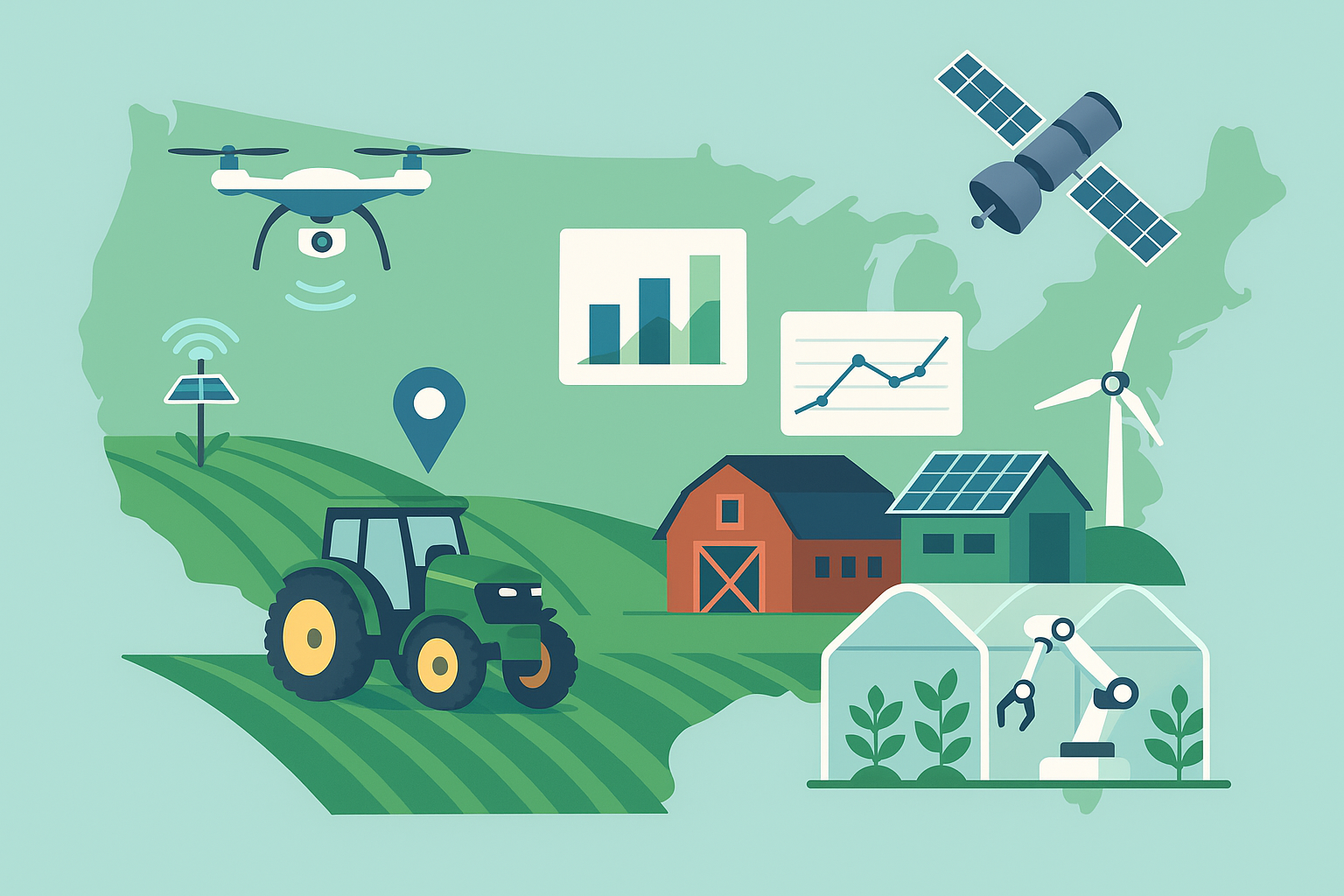
Late-February U.S. farm outlook: expect frontal passages bringing brief precipitation and wind, then cooler, drier breaks. Risks include intermittent frost, variable moisture from West storms to Plains/Midwest mix, and trafficability issues. Use short spray/topdress windows, protect blooms and livestock, time nitrogen with light rains, and monitor local forecasts.

Weather

From Sunlight to Shelf Life: PCM Thermal Storage Reinvents Farm Cold Rooms

Farm cold rooms using phase-change materials act as thermal batteries, enabling efficient pre-cooling and storage where power is scarce. By banking cold during sunny or low-tariff hours, they cut spoilage, fuel use, and compressor wear. The piece outlines design, operations, economics, best-fit cases, purchasing criteria, policy supports, and next steps.

Tech

Quiet Levers, Big Moves: The Week Ahead in U.S. Agriculture Policy

U.S. agriculture policy is shifting through Congress, USDA rules, EPA decisions, trade moves, court orders, and statehouse bills. Near-term signals—appropriations riders, hearings, pesticide and fuel guidance, export actions, and litigation—could alter inputs, risk, labor, and market access. Producers should monitor dockets and deadlines as regulatory steps sway costs and prices.

Politics
September 21’s Legacy in American Agriculture: Regulation, Resilience, and Relief

September 21’s Legacy in American Agriculture: Regulation, Resilience, and Relief

On September 21 across decades, U.S. agriculture saw pivotal moments: the 1922 Grain Futures Act establishing modern market oversight; 1938’s hurricane remaking New England farms; Farm Aid’s 2019 advocacy amid dairy crisis; and 2020’s CFAP 2 pandemic aid—together illustrating regulation, resilience, community, and rapid crisis response.

U.S. Macro Week Ahead: Catalysts, Scenarios, and Cross‑Asset Playbook

U.S. Macro Week Ahead: Catalysts, Scenarios, and Cross‑Asset Playbook

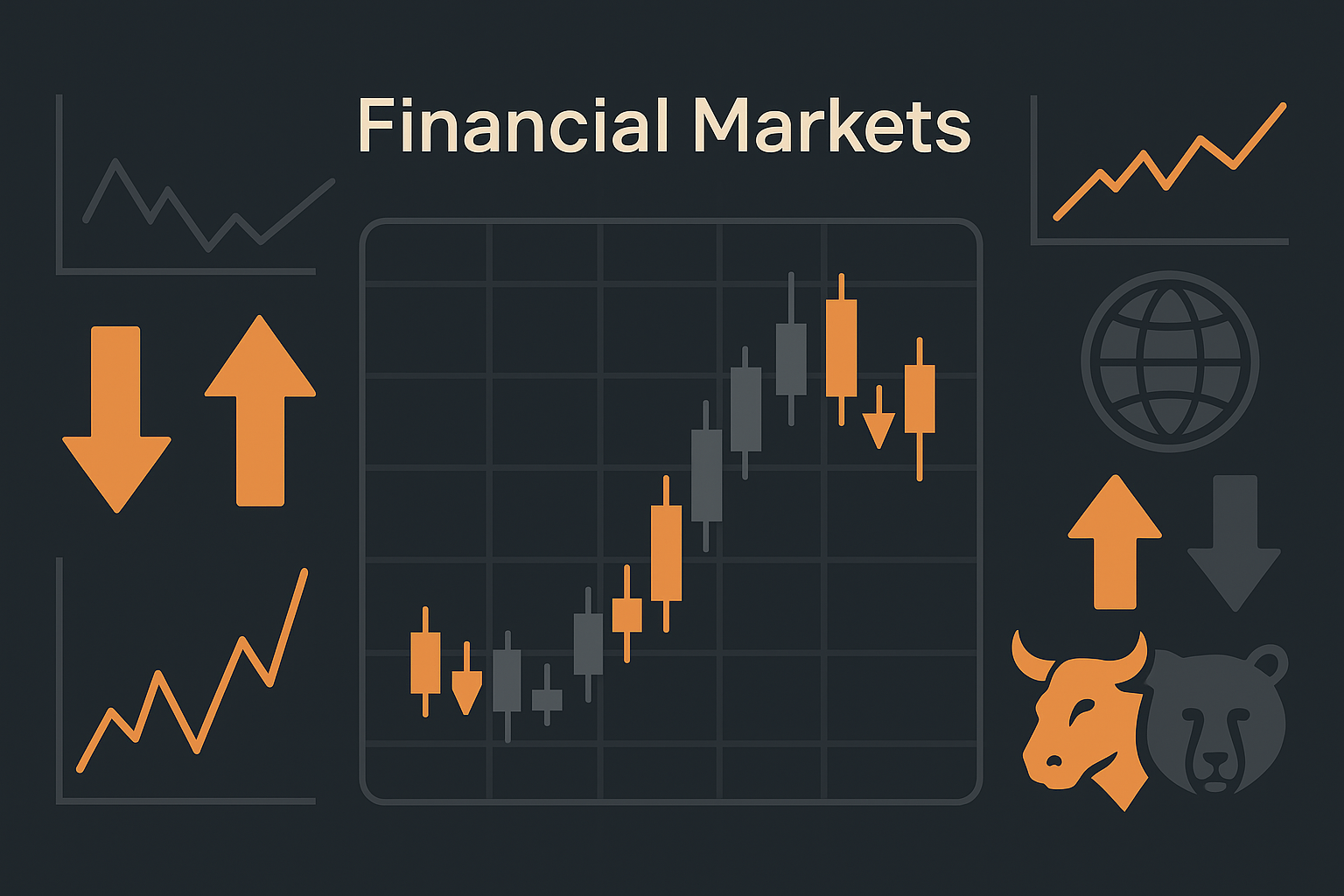
U.S. macro roadmap: Markets weigh inflation progress, growth momentum, labor cooling, policy path, supply, energy, and global signals. Upcoming week hinges on data, Fed tone, and Treasury auctions. Hot prints lift real yields and dollar, pressuring equities/credit; soft prints reverse. Watch curve moves, breadth, credit spreads, oil, and seasonality.

Storms, Strikes, and Shocks: Three September 20 Turning Points in U.S. Agriculture

Storms, Strikes, and Shocks: Three September 20 Turning Points in U.S. Agriculture

On three September 20 milestones, U.S. agriculture was reshaped: Hurricane Maria devastated Puerto Rico’s farms, spurring resilience initiatives; the 1965 Delano grape strike catalyzed farmworker rights; and the 1873 Wall Street panic triggered agrarian reform. Together, they highlight agriculture’s dependence on weather, labor, finance, and policy.

Mid-September U.S. Ag Weather Outlook: Harvest Windows and Week-Ahead Risks

Mid-September U.S. Ag Weather Outlook: Harvest Windows and Week-Ahead Risks

U.S. agriculture faces a start-stop week: frontal passages bring scattered showers and brief harvest delays across the Corn Belt and East, followed by drier, breezy windows. West and Southern High Plains stay mostly dry with elevated fire risk. Monitor Gulf/Atlantic tropics and patchy northern frost. Use local forecasts.

Cold Plasma in Agriculture: A Practical Guide to Seed and Postharvest Sanitation

Cold Plasma in Agriculture: A Practical Guide to Seed and Postharvest Sanitation

Cold plasma uses reactive species from electrically energized air to sanitize seeds, cut produce pathogens, extend shelf life, and sanitize equipment with minimal water or residues. Promising for food safety and sustainability, it demands careful dosing, ventilation, validation, and scaling. Economics, regulations, and commodity-specific trials govern adoption.

U.S. Ag Policy Watch: Last 24 Hours and 7-day Outlook Ahead of the Oct. 1 Fiscal Deadline

U.S. Ag Policy Watch: Last 24 Hours and 7-day Outlook Ahead of the Oct. 1 Fiscal Deadline

Washington agriculture policy centers on averting Oct. 1 disruptions via a CR and possible farm bill extensions, while agencies juggle disaster aid, conservation, and broadband. Hot spots include EPA pesticide actions, P&S enforcement, H-2A wages, USMCA trade frictions, and state rules. Watch CR terms, EPA dockets, committees, and harvest waivers.

Late-Cycle Balance: Policy Path, Cross-Asset Signals, and the Week Ahead

Late-Cycle Balance: Policy Path, Cross-Asset Signals, and the Week Ahead

Markets stayed data‑dependent: front-end rates volatile, long end shaped by term premium; equities balanced rate sensitivity with AI/capex themes; dollar firm on rate differentials; commodities signaled inflation risk; credit orderly. Upcoming surveys, labor and housing data may steer Fed timing. Maintain balanced, quality-focused, flexible positioning across rates, equities, and credit.

September 19’s Throughline in U.S. Agriculture: Leadership, Storms, and Food Safety

September 19’s Throughline in U.S. Agriculture: Leadership, Storms, and Food Safety

September 19 threads pivotal U.S. agriculture moments: Washington’s farewell shaping land and infrastructure; Hurricane Hugo and Florence exposing climate vulnerability of crops, livestock, and rural systems; and the spinach and cantaloupe outbreaks spurring food-safety reforms. Together they reveal resilience, traceability, and infrastructure choices that safeguard and reshape the food system.