On August 21, 1856, Townsend Harris, America’s first consul to Japan, arrived in Shimoda, a small port city that became the gateway for a new era of diplomacy and trade. His mission was not only political but also economic, laying the foundation for agricultural and commercial exchanges between the United States and Japan. This event marked a turning point in global trade history, as it opened the door for the exchange of crops, farming techniques, and agricultural technologies that would shape both nations’ economies for decades.
Why It Mattered for Agriculture
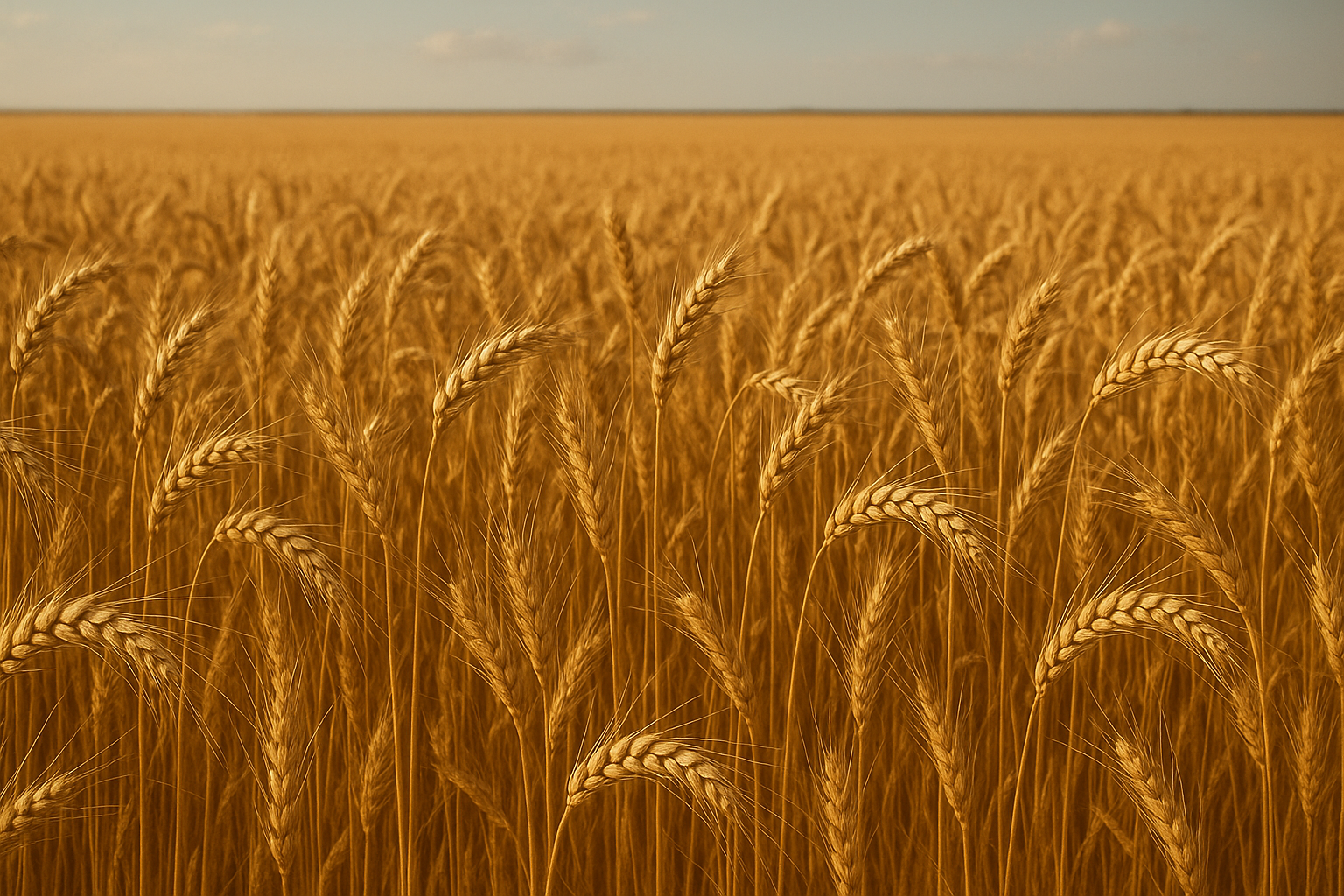
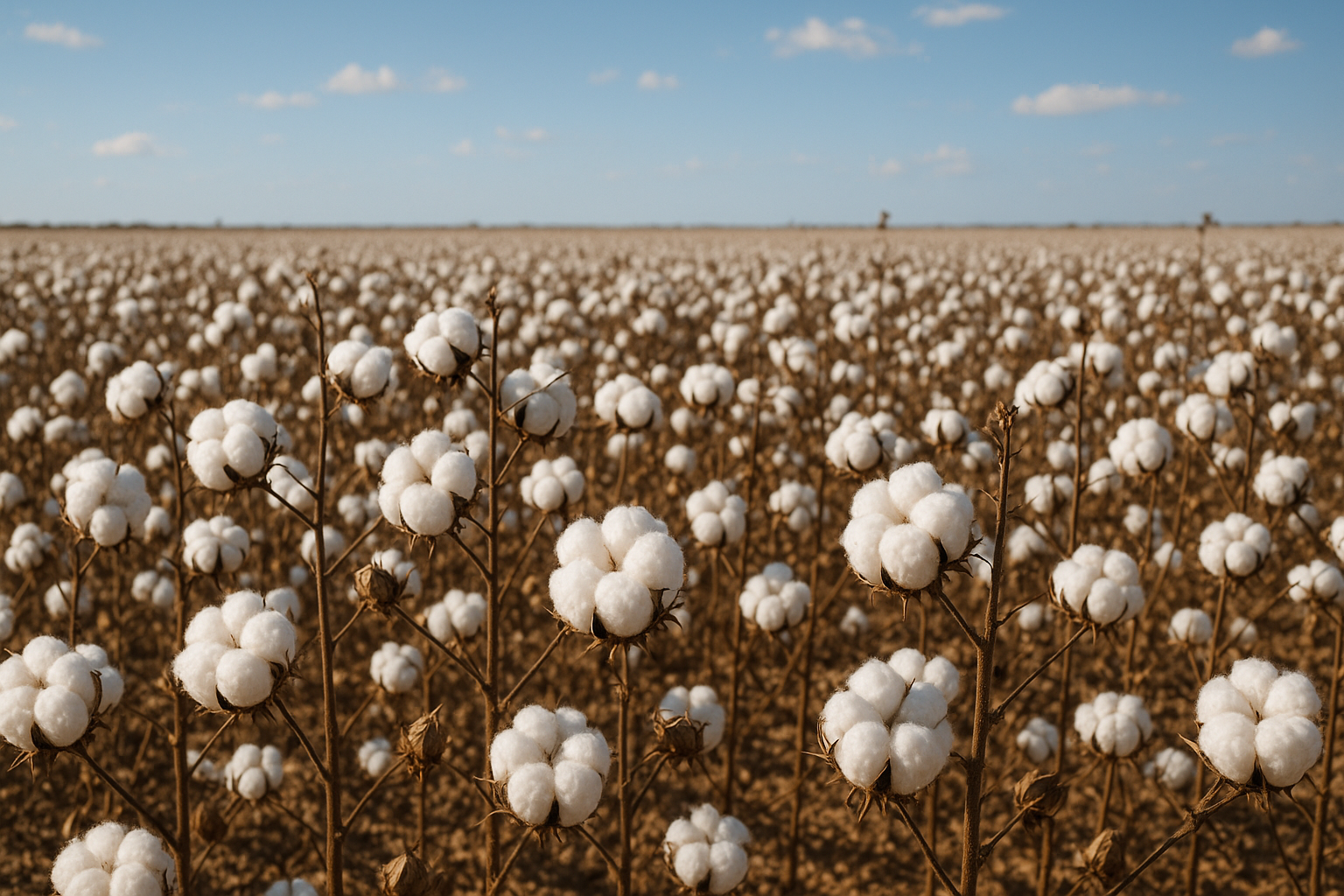
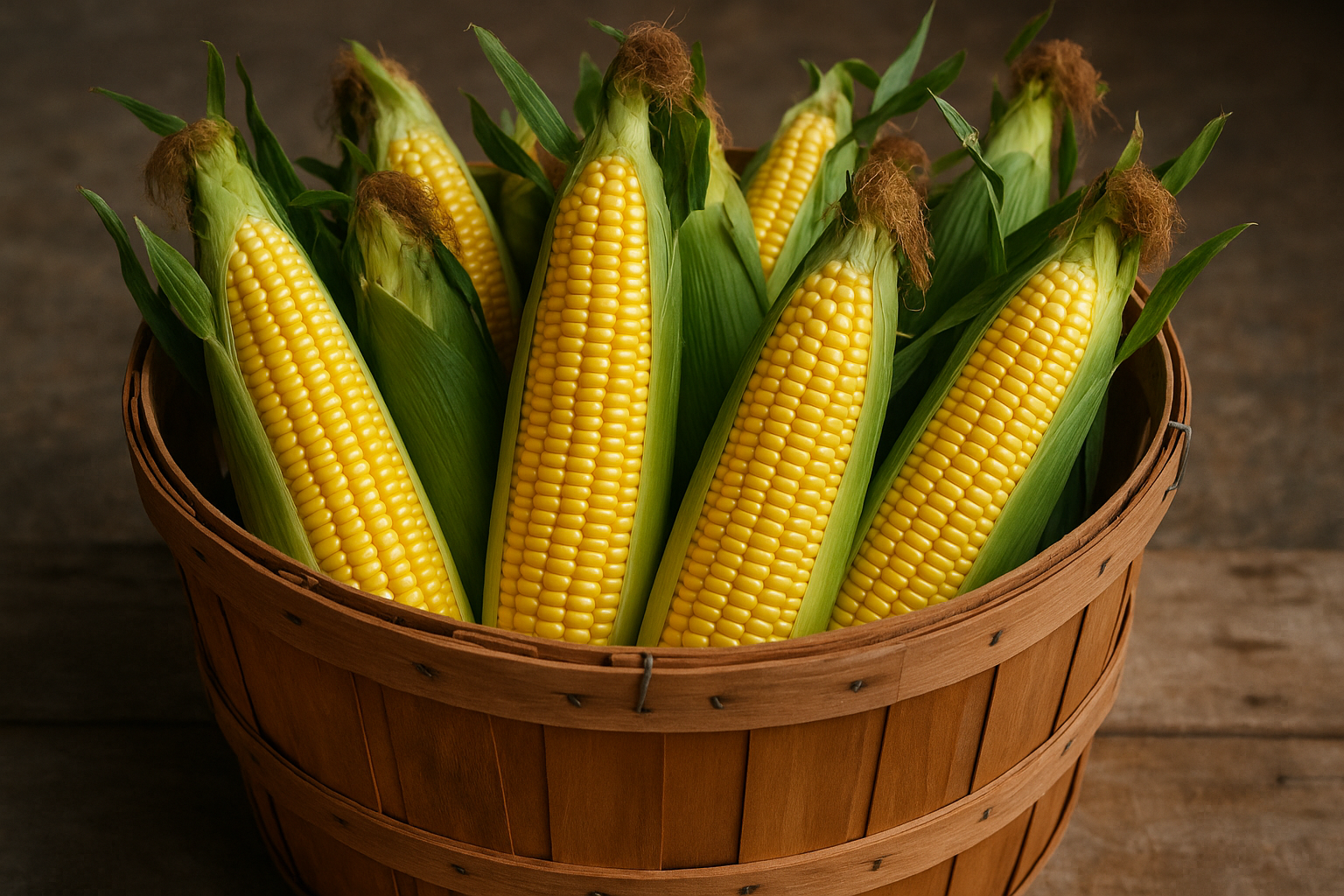
Prior to Harris’s arrival, Japan had maintained a policy of isolation for over two centuries, limiting foreign influence and trade. The Harris Treaty, signed in 1858, was a direct outcome of his efforts and included provisions that allowed for the exchange of goods, including agricultural products. American crops such as corn, wheat, and cotton eventually found their way into Japanese markets, while Japanese silk and tea became important exports to the United States. These exchanges not only diversified diets and economies but also introduced new farming practices that improved productivity on both sides.
Impact on Global Agricultural Trade
The opening of Japan to U.S. trade had ripple effects across the Pacific. It accelerated the modernization of Japanese agriculture, introducing mechanized tools and crop rotation methods that were common in the United States. Conversely, American farmers gained access to Japanese horticultural knowledge, including techniques for cultivating specialty crops. This agricultural dialogue contributed to the globalization of food systems, setting the stage for the interconnected markets we see today.
Legacy of August 21, 1856
Townsend Harris’s arrival in Shimoda is remembered as more than a diplomatic milestone; it was a catalyst for agricultural innovation and trade integration. Today, the U.S. and Japan remain key partners in agricultural commerce, exchanging billions of dollars in food and farm products annually. The seeds of this partnership—both literal and figurative—were planted on that summer day in 1856, shaping the trajectory of global agriculture for generations.